One voice speaking truth is a greater force than fleets and armies, given time; plenty of time; but time is the thing that [we have] plenty of.
Ursula K. Le Guin

One voice speaking truth is a greater force than fleets and armies, given time; plenty of time; but time is the thing that [we have] plenty of.
Ursula K. Le Guin

Such a happy circumstance
To wind and reel in
Making it easy for you
To catch your tea
I would sit inside bay window
Watching a vinyl record
Revolve like my small world
On repeat
The safety of familiar tunes
Singing a harmony
Clawing fingers through
A shag pile rug
Life seems lovely
Until the wind and storms
Batter the front
Waves dare to sweep away
All I need is a cabin
A cosy corner bed
With lamp and books
Leather chair
A place to curl my toes
Sip tea and powder nose
The best view I could find
Would be with you inside

So simplistic were the rhymes Of my childhood Aesop and Mother Goose Taught me how to be good Kind and wise Avoid Miss-Understood Yet, they did not share with me In black and white ink How to dare to care When life is on the brink Of falling in and down Afraid there is no settling The nesting and pruning Of love birds in tune With one another Humdrum forgetting Singing, fanning plumage Making room If you should find a lover Try to keep her hand But if lost remember - Not to weep for The Summer nights On a cold, dark night in June.
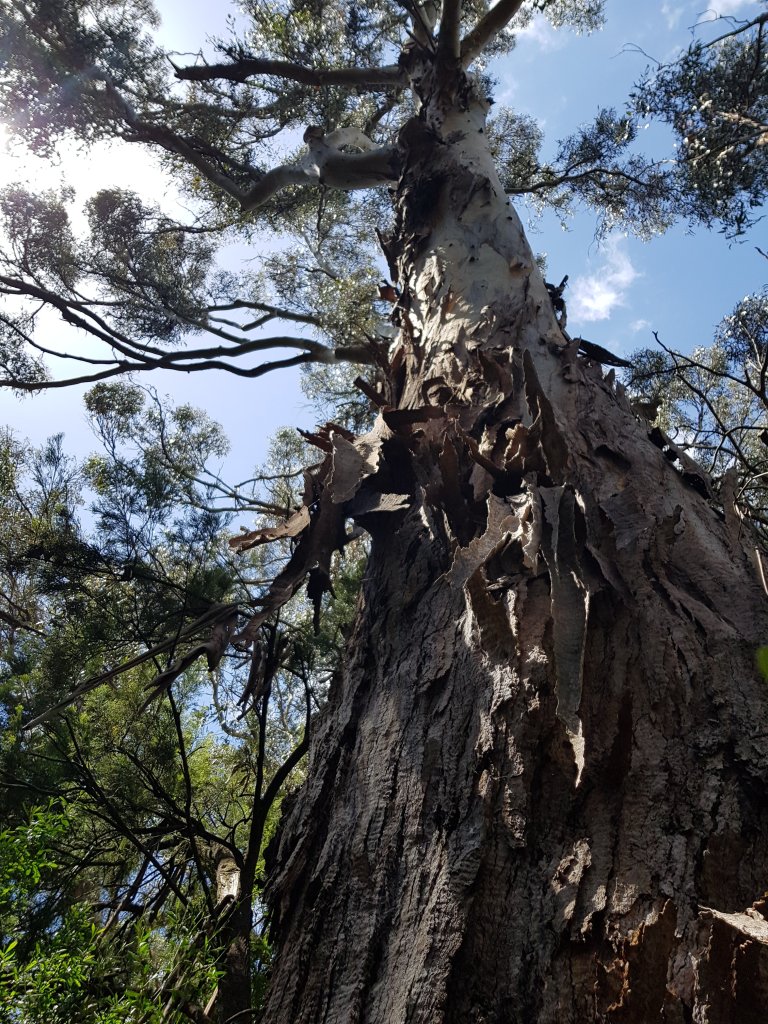
Grey lady hanging on
To the edge
Overlooking harbour view
Slender and proud
Twisting round to glimpse
Decades of bobbing heads
Like buoys on waves
Coming in shivering
Brave showing her age
Engraved beauty
Limbs reach out
Welcome stranded men
Come warm yourself
On the rocky shores
Casting a shadow
To danger marker
Pointing windeward
Shaped by her forces
Invisibly caressing
To bow and bend

We make it easy
For love to walk away
Mainly because
If asked to stay
Love was always
On vacation
Hot tea, warm biscuit
Cool exchange
I would rather
Drink cold cups of tea
Part with dinner
Waive a night out
Than part with thee

Funny how Cosette
Hands clutched to heart
Could sing of love
While another watching on
Full and empty
Is often only
A few streets
Between them
Mind games
Toying teasing
Playing with its strings
Only hurts the more
When love comes to
An end
How often no one knows
For whom
The river runs deeply
Until it flows no more

Fur babies and toddlers
Ambled up and down
Undulating hills
Edge of grass against
Soft waves of sand
All breeds of humans
Come from sun up to down
I landed on these shores
To start a life anew
To resurrect and hope
For a future
Somehow the shine
On the water
Brightens the day
Even when tears
Choke back the words
A stranger sits beside me
And is more of a friend
Than any
Telling me her story
Without asking
Noticing my tears
She bids farewell
I say goodbye to Ollie
Her dog
She smiles
Acknowledging
Her one and only
Love

Being present
Even if
Mind is elsewhere
What I promised
To my chillins
When born
Their knowledge of love
Comes from this assurance
I am always there for them
No matter where I am
To be present
Even in absence
Is all we require
Of love
If this is too much or
Love is not enough
Better to depart
And allow
The space to be
Renewed
If you will
Chillins, term of endearment for Scout and Jem by Calpurnia their cook, in To Kill a Mockingbird, by Harper Lee.

Source: Journal ~ 2015
Affection for a close companion Can grow should a spark Be fanned into flame - if a spark existed at all So yes, I could reasonably Imagine growing Attracted to someone Based on a mutual friendship Over a long period of time. Good looks and physique Have never been A precursor to attraction For me I am mindful of the heart Of another - this is all I see On the skin and face The smile and eyes Come from within For the sake of joy To preserve my future life and family Shortly, my desire to live I remembered what love Ought to feel like. A careless abandon That let go of Self-consciousness... This ignited in me A fire that can never Be put out
"The morning kindles
Cold pallid skyline
Wind biting
Delicious chill
Pond, shining like copper."
- Dead Souls, by Nikolai Gogol, p.271